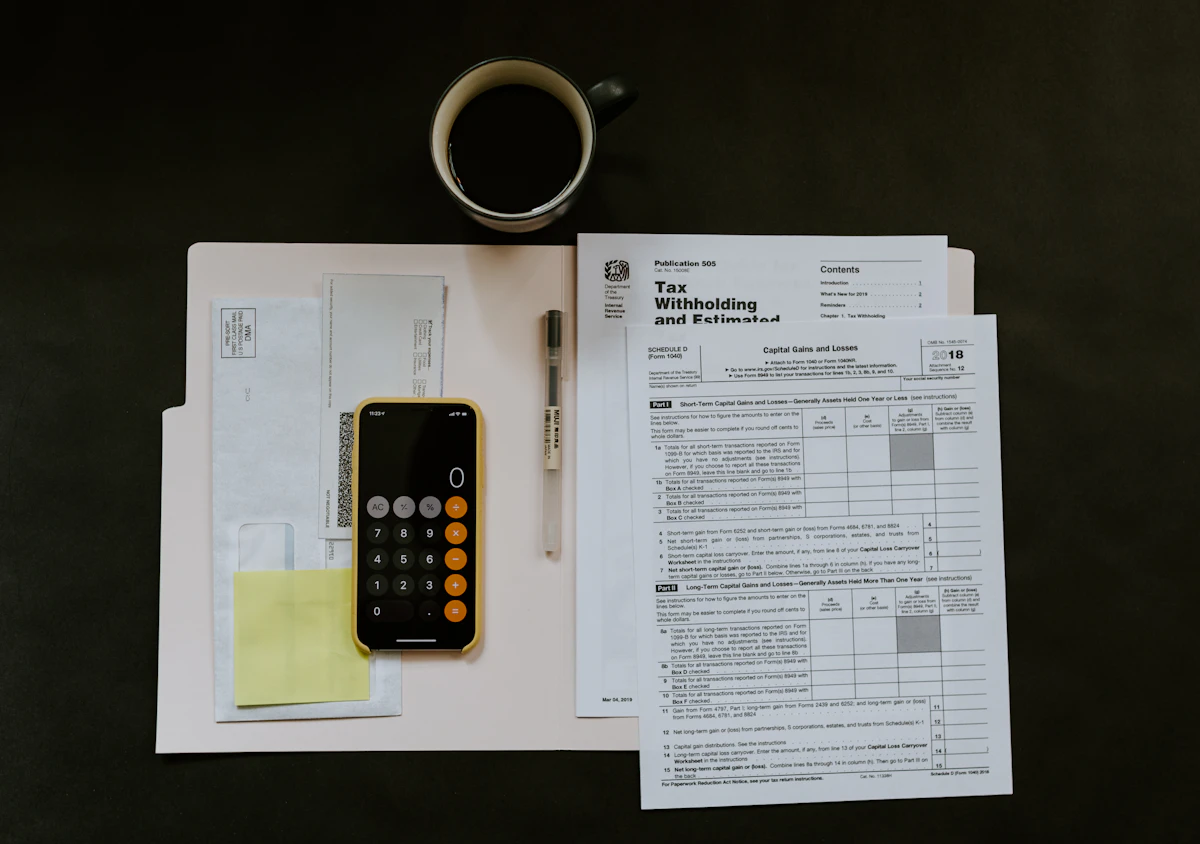
Stamp duty — formally land transfer duty in most states — is a state tax paid when a property changes ownership. It is usually the largest upfront cost after the deposit.
How it is calculated
Duty is based on the purchase price or the property's assessed value, whichever is higher, using a rate scale set by the state. Scales are progressive, so the effective rate rises with price.
Why the amount varies so much
The same purchase price can attract very different duty in different states. Each jurisdiction sets its own rates and thresholds, and concessions target specific groups: first home buyers, off-the-plan purchases, farmland, and sometimes downsizers.
Concessions and exemptions
First home buyer concessions are common but vary widely in eligibility, price caps and whether they apply to new or established homes. Some states offer reduced duty for purchases below certain thresholds. Eligibility is generally based on the property value, whether you have previously owned a home, and whether you will live in it.
When it is paid
Duty is normally payable at settlement, though the exact timing is set by the state revenue office. Your conveyancer calculates it and includes it in the settlement statement.
What to do
Use the current calculator on your state revenue office's website, not a third-party estimate. Ask your conveyancer to confirm the amount before you exchange contracts, and check concession eligibility before you assume you qualify.
Overseas and trust purchases
Additional duty surcharges can apply to foreign persons and some trust structures. These rules are specific and change, so seek advice if they may apply.
Stamp duty rates, thresholds and concessions are set by each state and territory revenue office and change with government policy. Always confirm current rates and eligibility with the relevant office.